
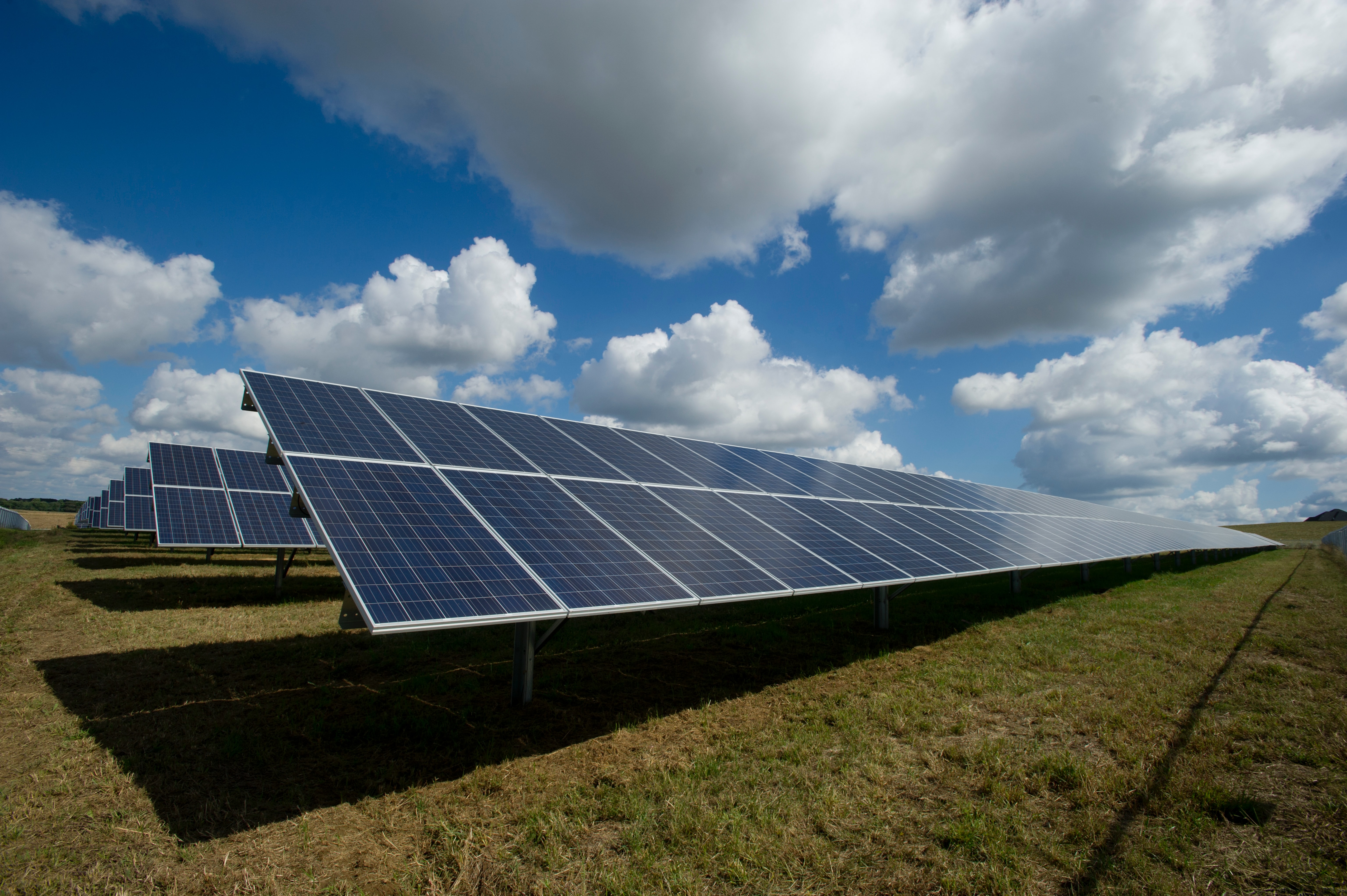
Solar panels collect energy from the sun and turn it into electricity. They consist of layers of a semi-conductive material, which is usually silicon, which turns the light into energy. They do not always need a very sunny day to work, though! They can even work on cloudy days, howeer, the more sunny it is, the more electricity is produced.
You may not want solar panels on your roof for aestetic purposes. However, you can now get solar panels that look like roof tiles.
Produces a lot of electricity if you are in a sunny area.
Cut your energy bills significantly.
Silent; no noise pollution is generated.
Performance greatly relies on weather, so if you live somewhere with not much sun, there's no point in getting them.
Expensive to buy and install.
Long Return on Investment (ROI). What does this mean?
People who live in sunny areas, like Cornwall and Devon.
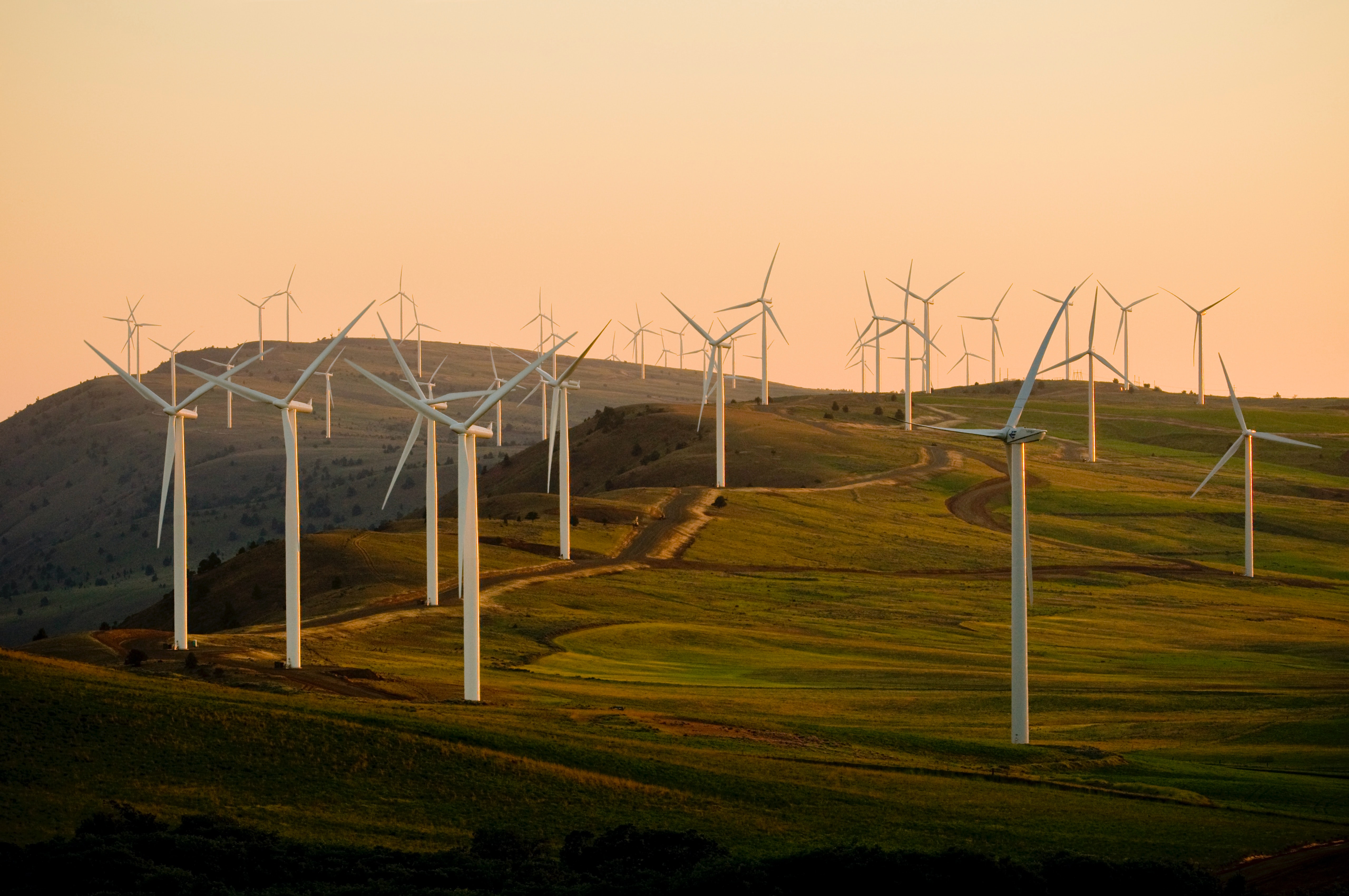
Wind energy is collected through wind turbines, as shown in the image. When it is windy, the wind spins the blades, which turn a turbine which creates the energy. You've probably seen massive ones when you drive along the motorway, but you can get small ones for personal use, for example, if you own a caravan or motorhome.
Creates jobs for people.
Good use for empty, unused land.
Low operating costs.
Very noisy.
Looks ugly, which in turn ruins the look of nature.
Doesn't produce much energy if it isn't windy.
People who live in windy, remote areas.
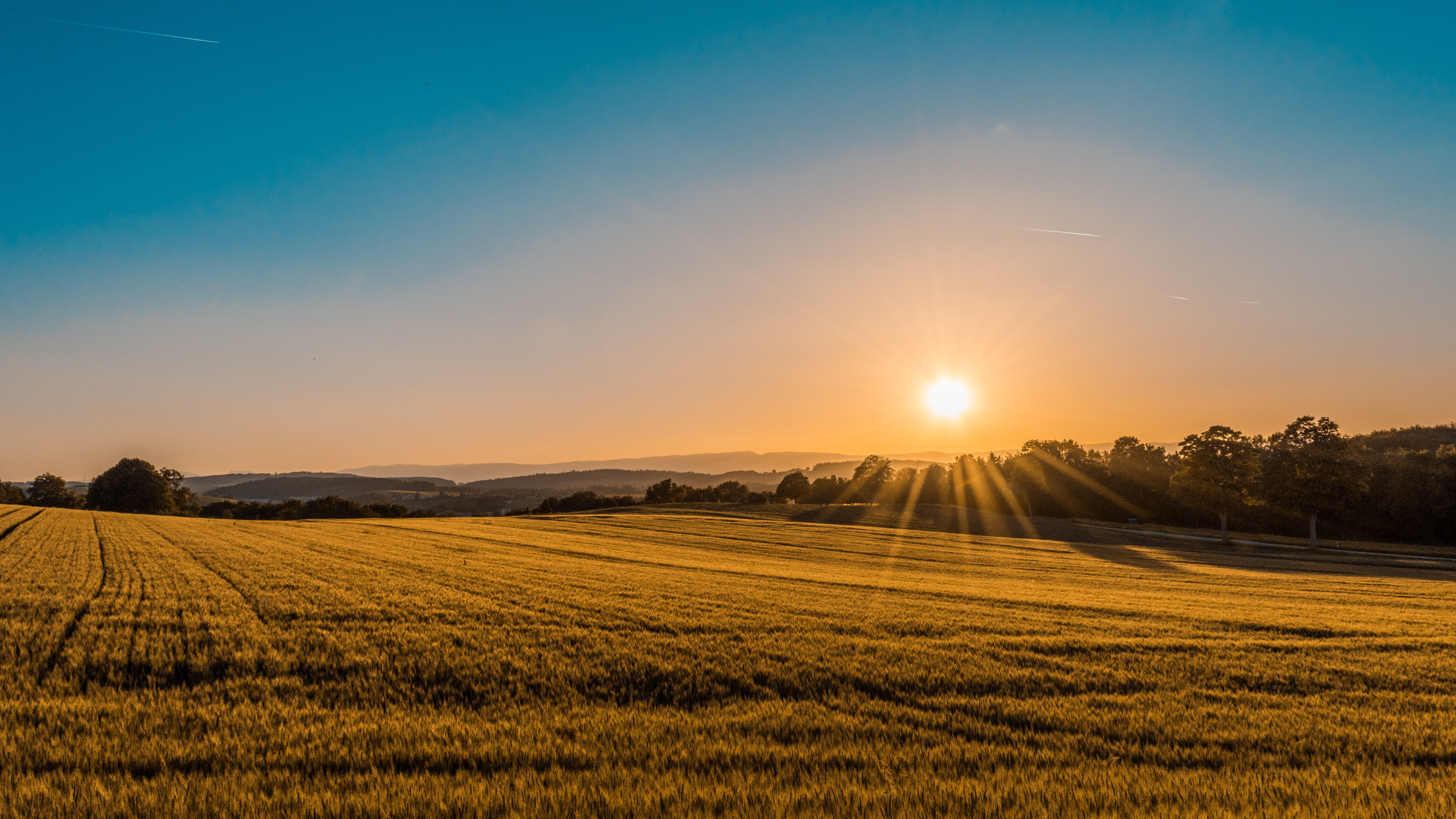
Biofuels are produced from plants and crops to make fuel and electricity. There are many types of fuels made from crops. In the United States, the most popular fuel is ethanol made from corn. In Europe, the most popular fuel is biodiesel made from rapeseed oil and ethanol made from sugar beet or cereal crops.
Low levels of greenhouse gasses.
Creates jobs.
Energy unit prices are quite low.
High water usage.
Uses food, which can contribute to global hunger.
Use of chemical pesticides and fertilisers.
People who live on a farm or have large fields of crops.
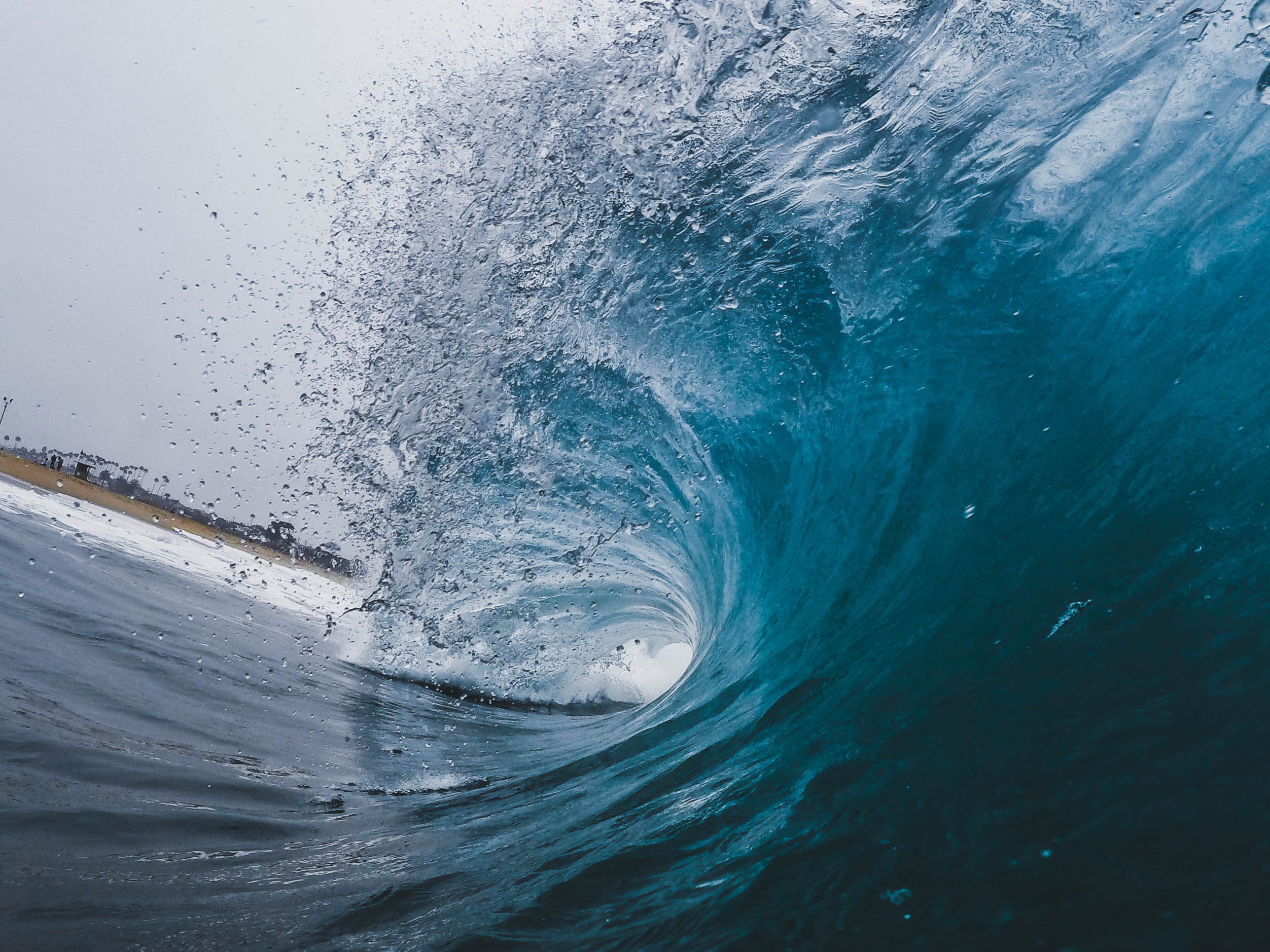
Tidal energy is created by high tides in the sea. The kinetic energy from the waves are used to turn a turbine, therfore creating energy.
Low running costs.
Tides are reliant; they happen often.
Tidal barrages can be used for other purposes. What's a tidal barrage?
Can harm marine life.
Can restrict access to the sea.
Difficult to perform maintenance on.
People who live on the coast with access to a beach or area of sea.
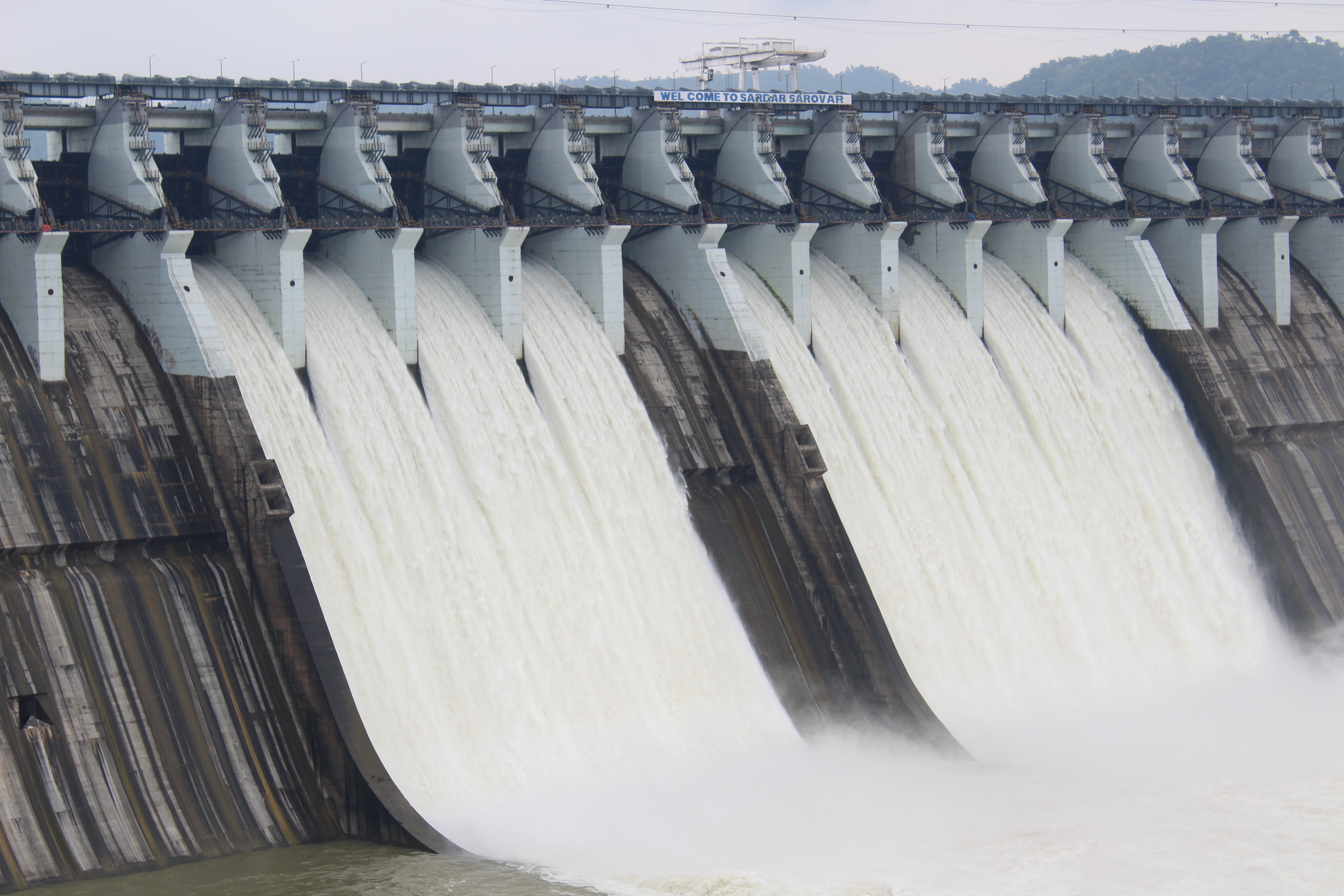
Hydropower is a bit similar to tidal in the way that it uses water to turn a turbine, but it is different in that it does not use the sea, but rather lakes and rivers, known as reservoirs. Water passes through a dam, where it turns a turbine to create electricity. It flows back out into the lake or river again.
Can easily meet peak energy demand.
Low running costs.
Can be used for irrigation.
Expensive upfront.
Lack of reservoirs.
Requires large bodies of water.
People with access to a large body of water, like a reservoir. However, due to the large expense, it is better for companies rather than individuals.